



Wetland Restoration – Biological Monitoring
A key step in the Wetland Restoration process is the Regional Science Consortium’s Biological Monitoring of fish, amphibians, mussels, and macroinvertebrate species present in the wetlands. The monitoring of wetland plant and animal biology and diversity allows us to observe changes in wetland health over time and how successful our restoration efforts are.
Amphibians:
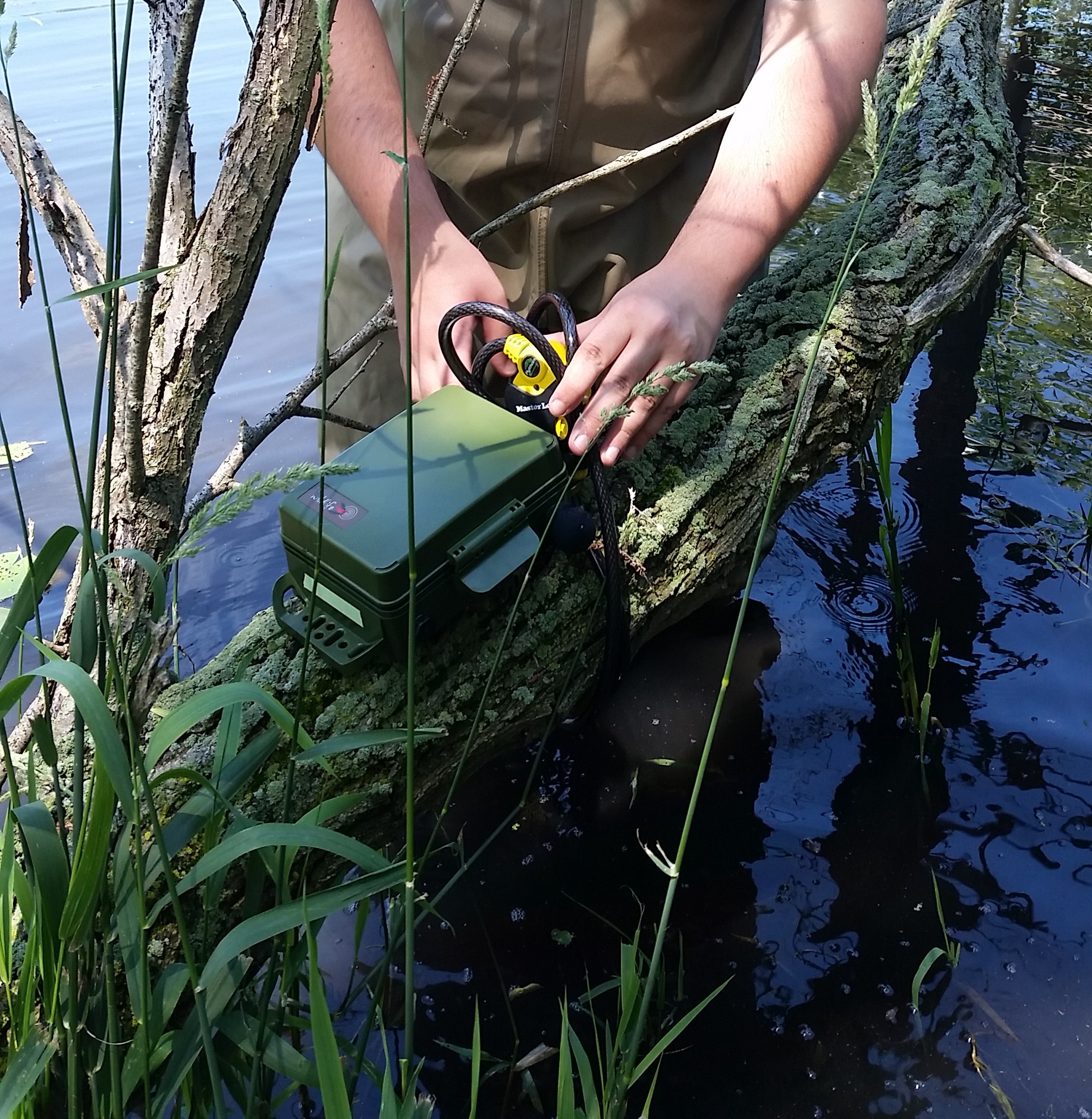
Amphibian monitoring is conducted primarily with audio recordings captured on a Wildlife Acoustics Song Meter SM4. Audio recordings are then analyzed using accompanying software titled Song Scope. This software creates spectrograms that allow for rapid analysis of acoustic data without the need to actually listen to the recordings.
Fish:
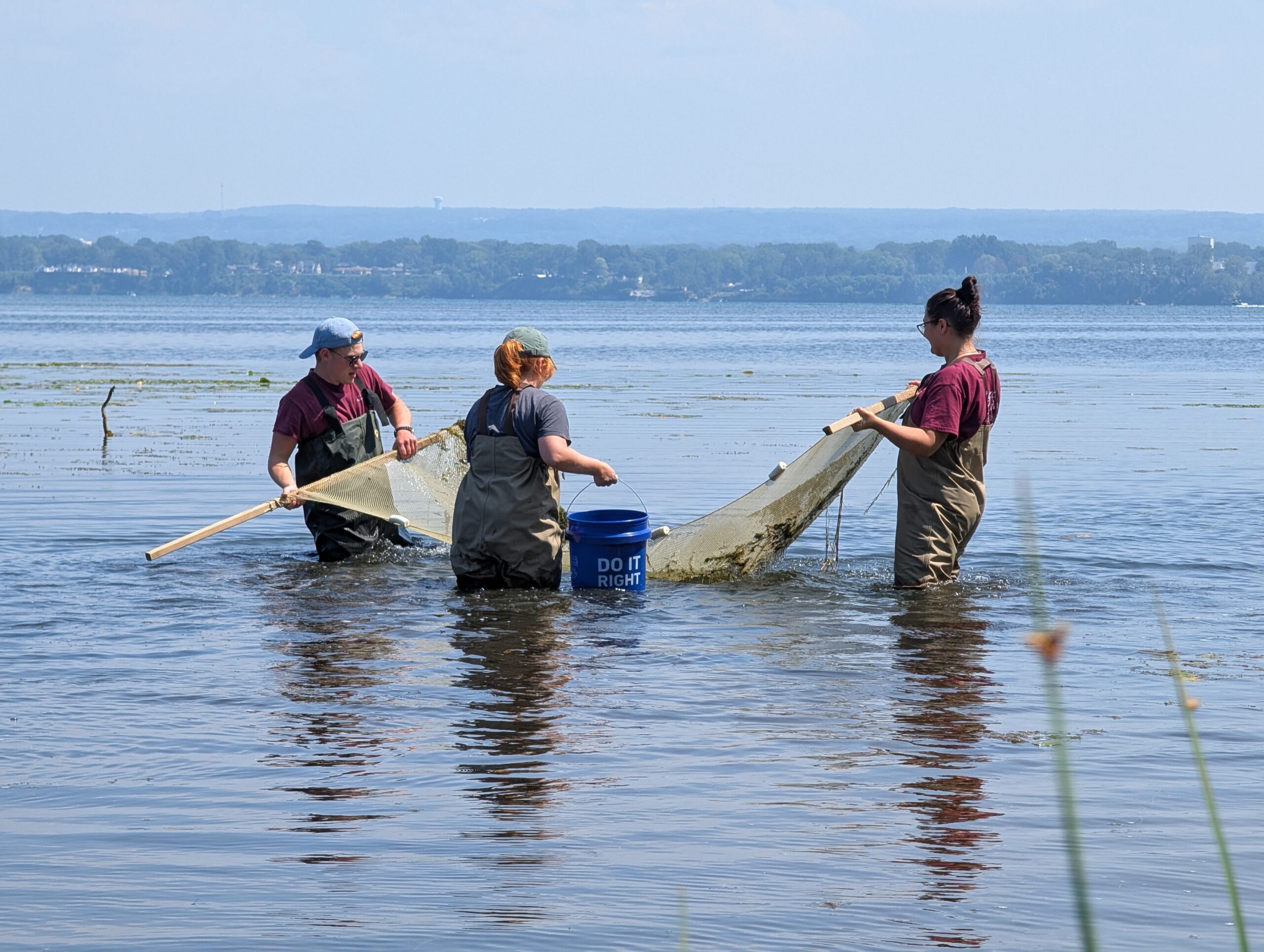
Wetlands are an ideal habitat for fish spawning and endangered species like the Spotted Gar. A seine net is utilized to once per month from May to August to sample fish species present in PISP wetlands. These fish are identified, counted then returned to their habitat. Some common fish found in our wetlands include Bass, Bluegill, Pumpkin Seed, Yellow Perch and the invasive Round Goby.
Macroinvertebrates: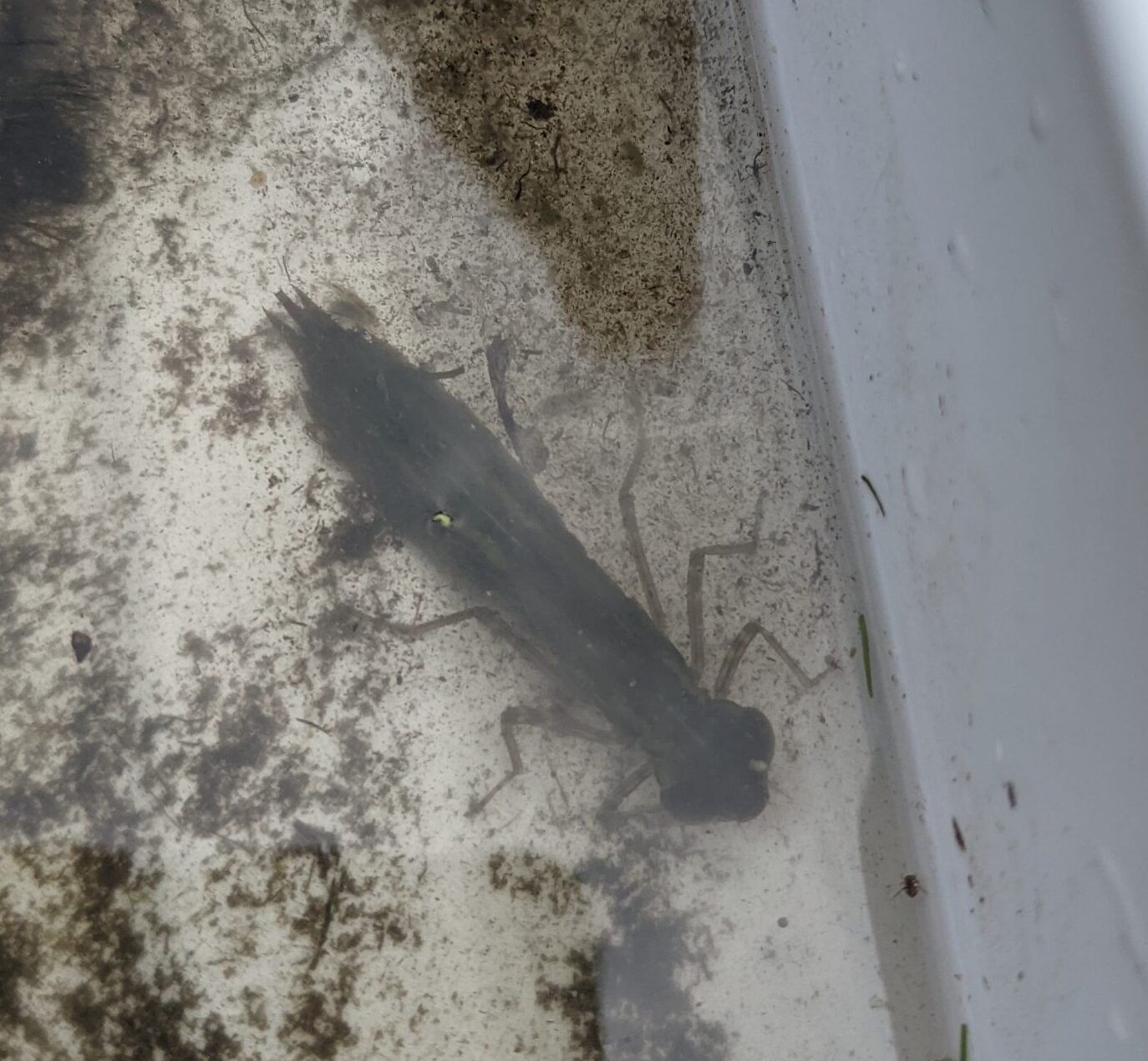
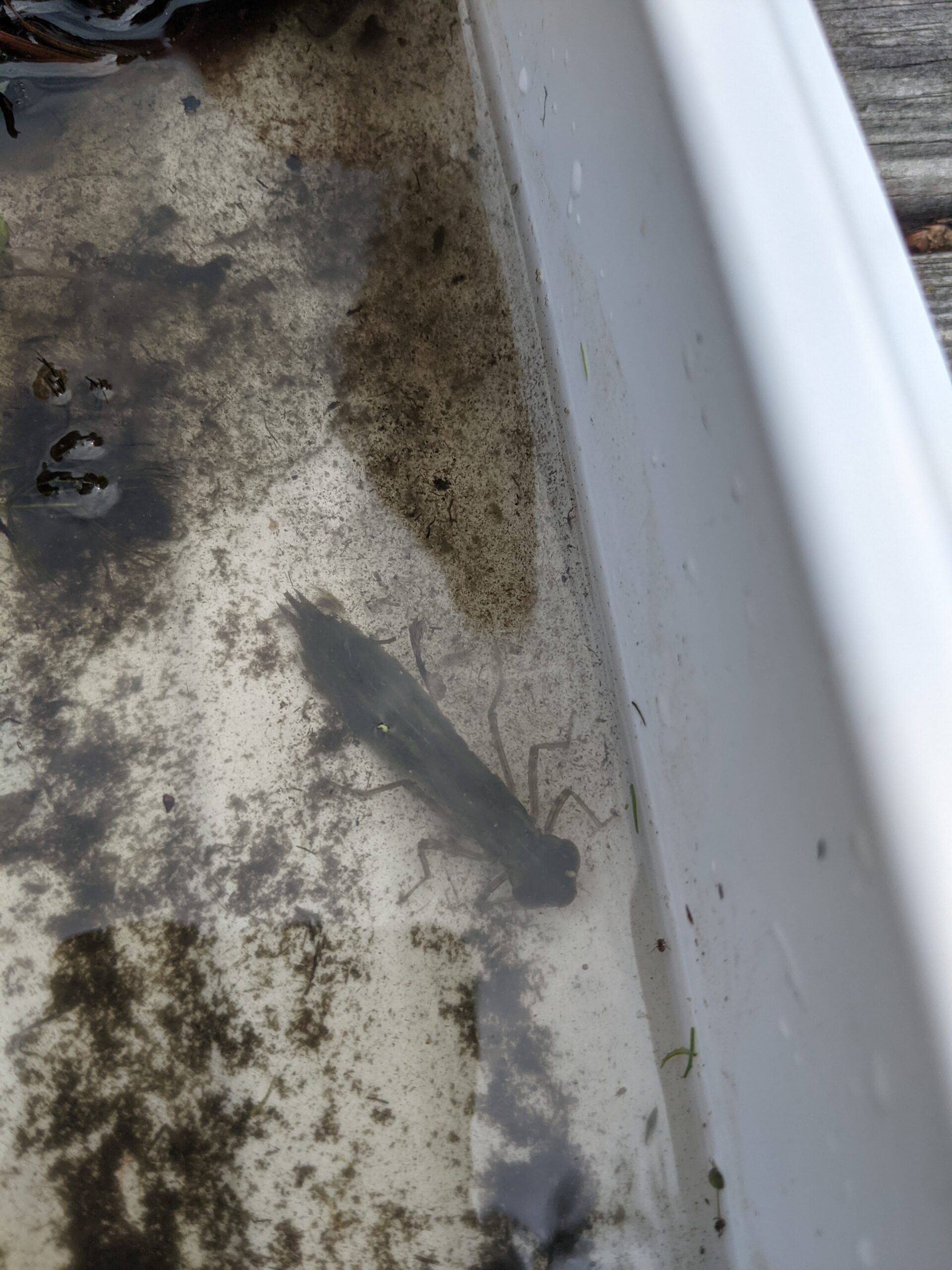
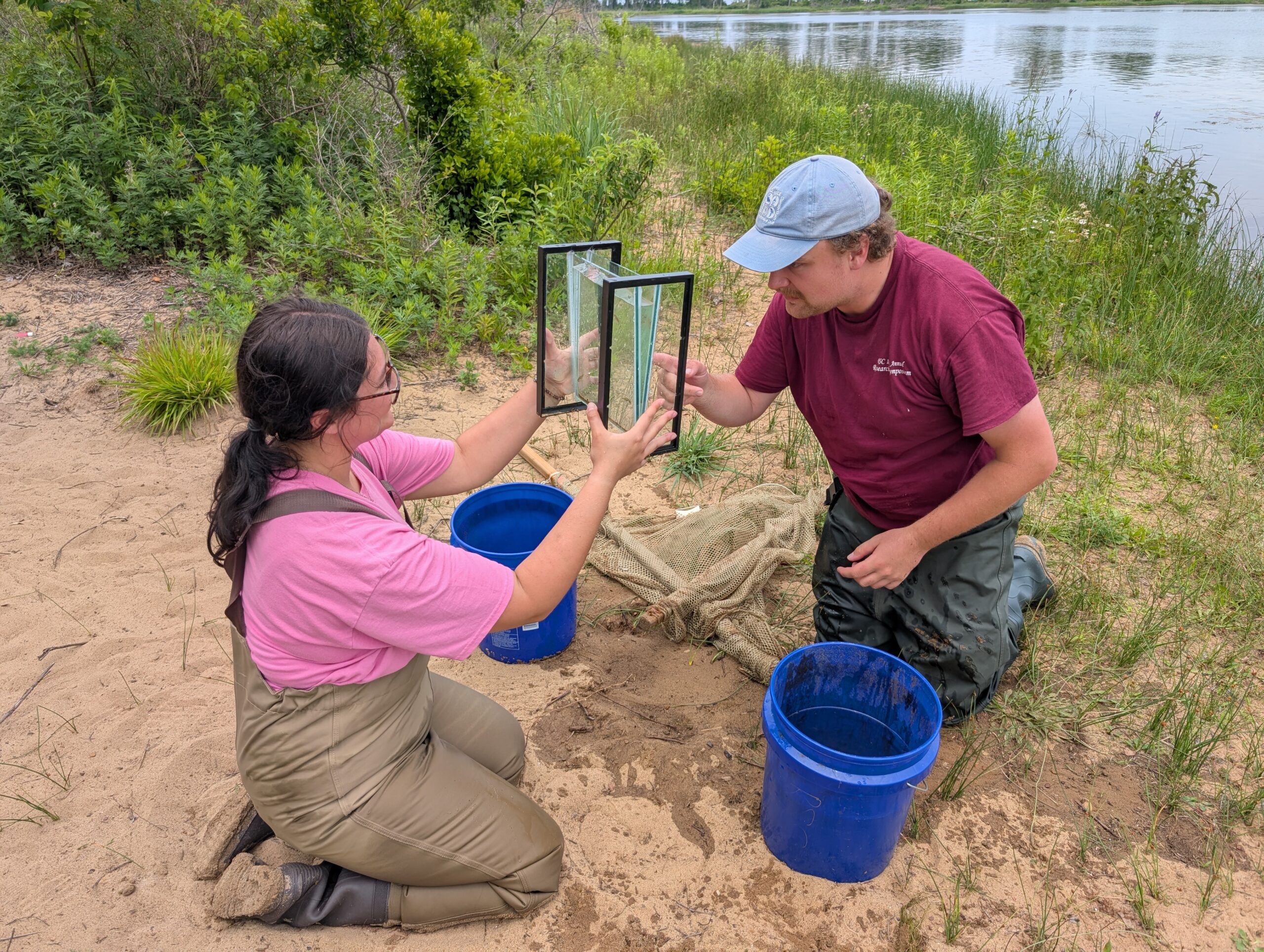
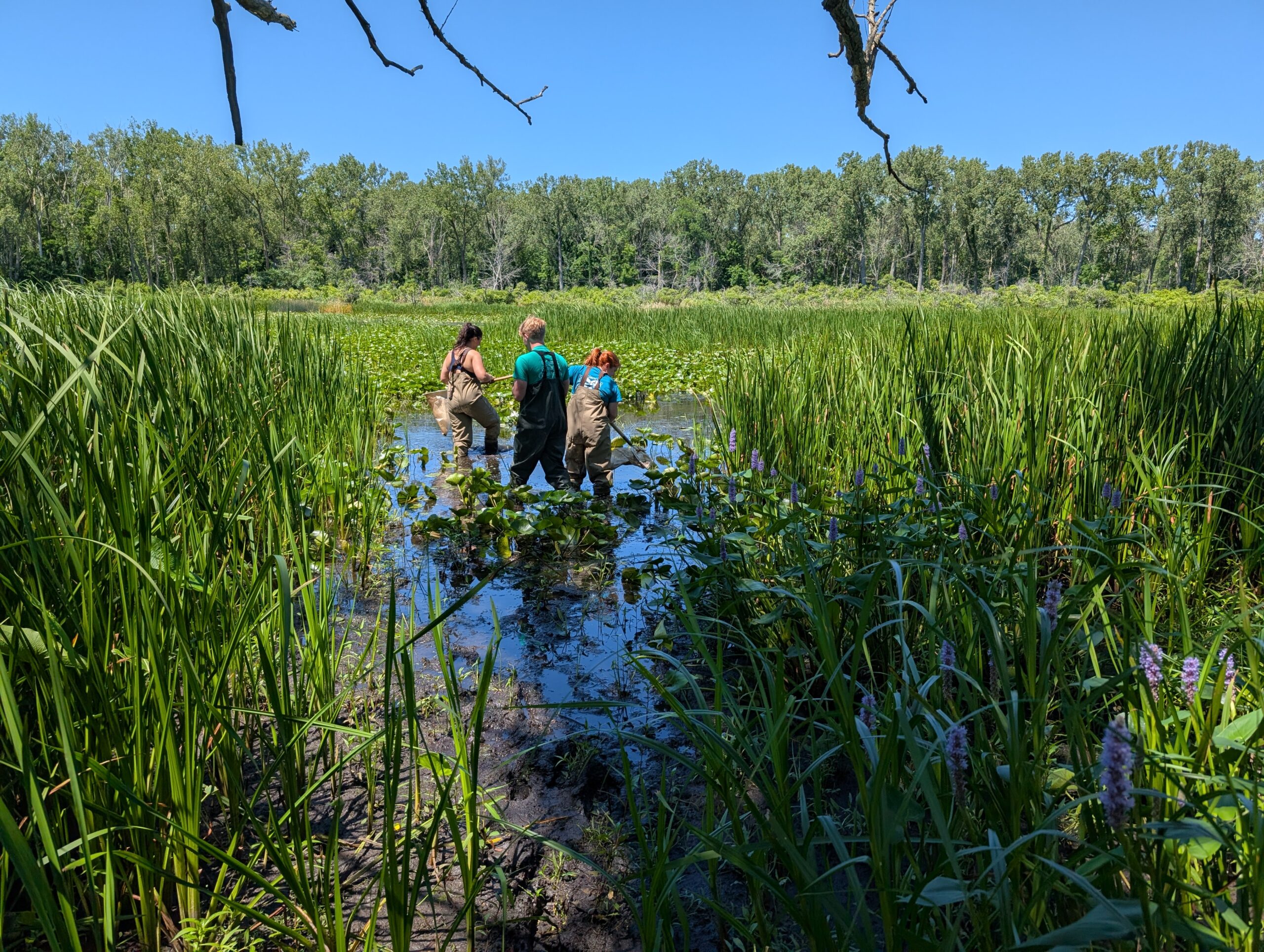
Macroinvertebrate diversity studies provide important qualitative information about ecosystem health as they are a water quality indicators and a sustainable part of the food web. By studying the biodiversity of macros in our wetlands through a diversity index, we can determine changes in water quality and assess our restoration efforts. Macros are collected via D-frame kick nets and identified.
Mussels:
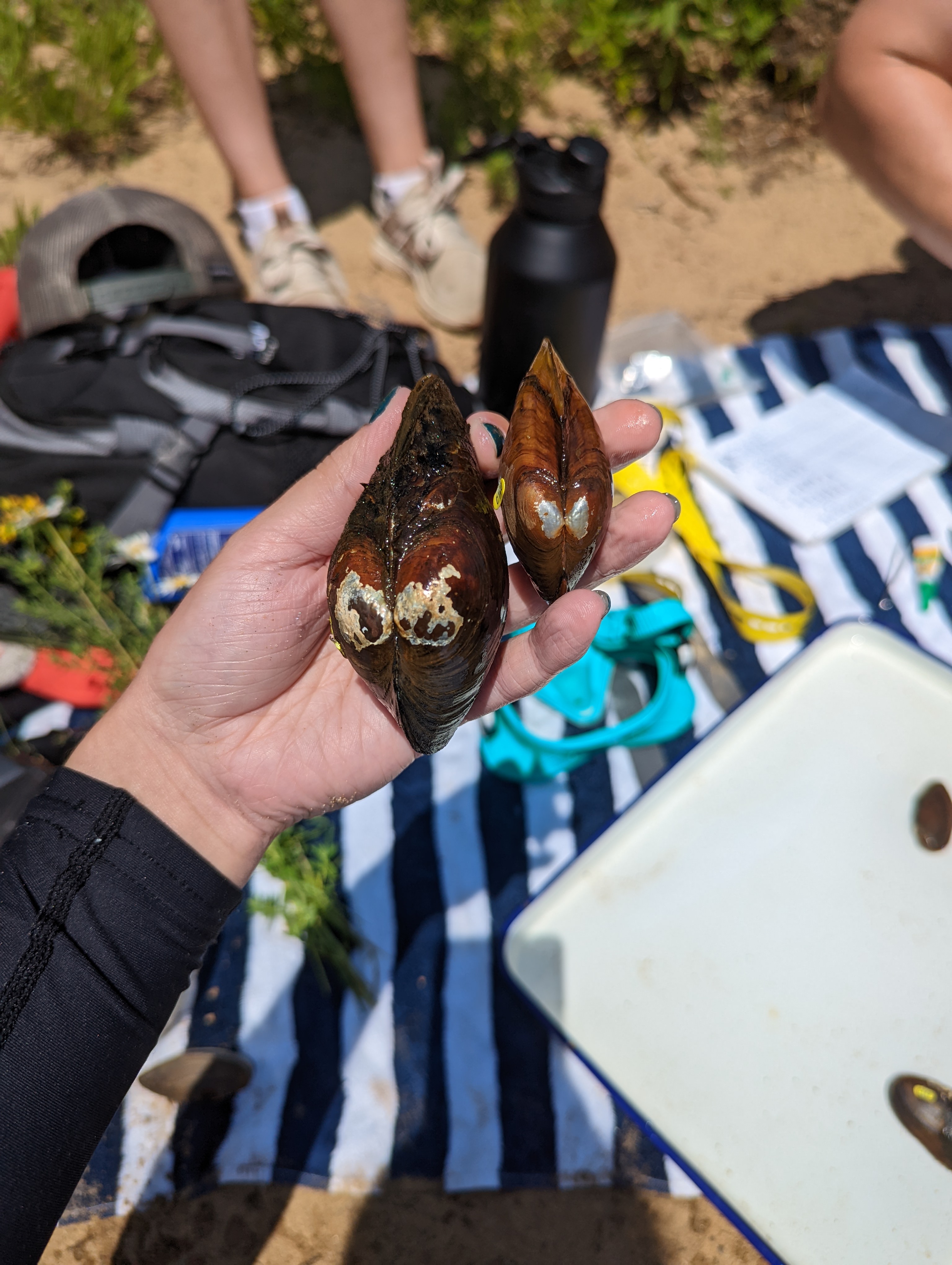
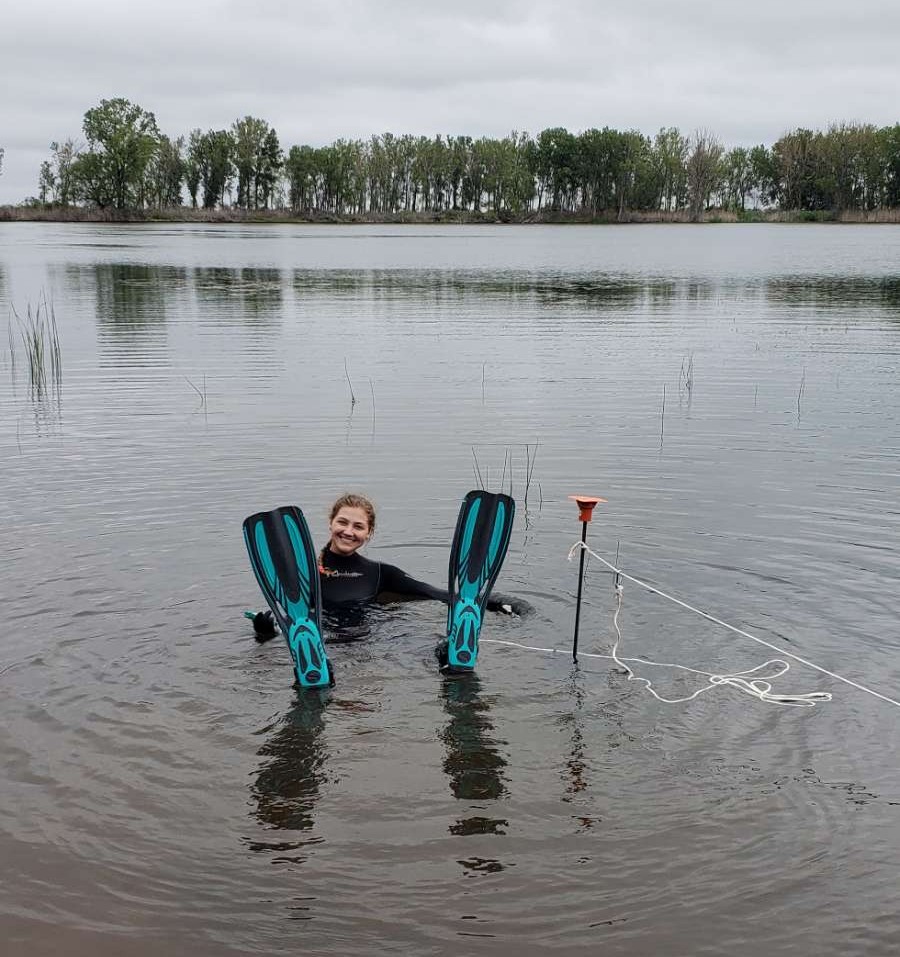
Unionid mussels are a family of freshwater bivalves that have been decreasing in population on PISP since the 1980s. This is likely due to the introduction of invasive species such as the Round Goby, Quagga Mussels and Zebra Mussels. Mussels are collected using tactile search while snorkeling, tagged, measured and returned to the location they were found.